How to Develop Strong Analytical Thinking Skills
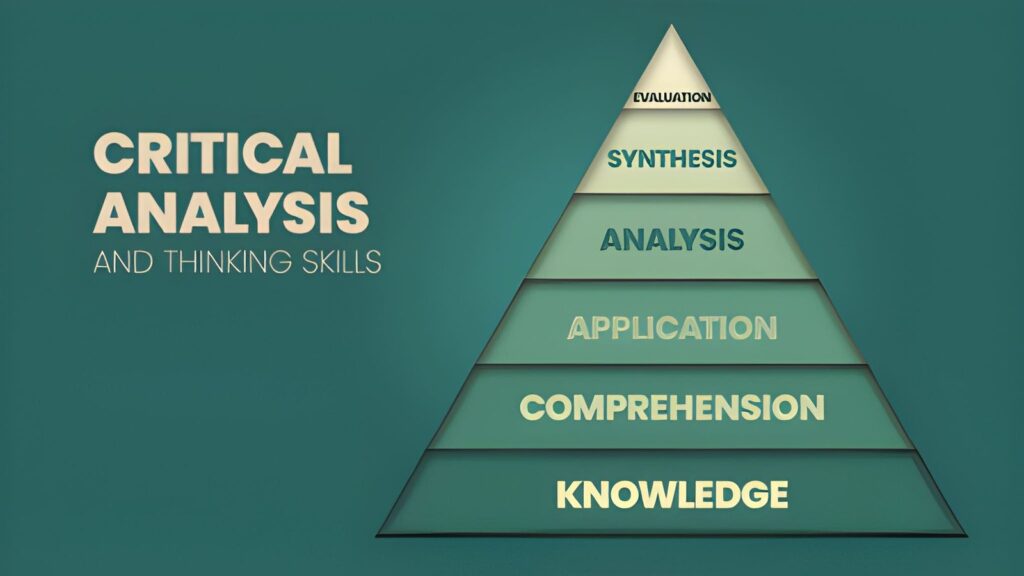
In a world driven by data, fast decisions, and constant change, analytical Hubet thinking skills are more valuable than ever. Whether you are solving workplace problems, making financial decisions, studying for exams, or planning a business strategy, the ability to analyze information clearly can help you make better choices.
Analytical thinking is not just for scientists, engineers, or data analysts. It is a practical skill anyone can develop with consistent practice. This article explains what analytical thinking is, why it matters, and how to strengthen it in everyday life.
What Are Analytical Thinking Skills?
Analytical thinking skills are the ability to examine information, identify patterns, break complex problems into smaller parts, and draw logical conclusions. Instead of reacting emotionally or making assumptions, analytical thinkers look for evidence and evaluate possible outcomes.
Strong analytical thinkers often ask questions such as:
– What is the real problem?
– What information do I need?
– What patterns or trends can I see?
– What are the possible solutions?
– What evidence supports each option?
– What could go wrong?
These questions help create a structured approach to problem-solving and decision-making.
Why Analytical Thinking Is Important
Analytical thinking is useful in almost every area of life. In the workplace, employers value people who can solve problems, interpret data, and make informed decisions. In education, students with strong analytical skills can understand complex topics more easily. In personal life, analytical thinking helps with budgeting, planning, evaluating risks, and resolving conflicts.
Some key benefits of analytical thinking include:
– Better decision-making
– Improved problem-solving
– Stronger communication
– Greater creativity
– Reduced mistakes
– Increased confidence
– Better ability to handle complex situations
When you develop analytical thinking skills, you become more capable of understanding problems from different angles and choosing practical solutions.
1. Ask Better Questions
One of the best ways to improve analytical thinking is to ask better questions. Good questions help you move beyond surface-level information and explore the root cause of a problem.
For example, instead of asking, “Why did this project fail?” ask:
– What specific part of the project failed?
– Were the goals clear?
– Did the team have enough resources?
– Was communication effective?
– What could have been done differently?
Asking detailed questions encourages deeper thinking. It also prevents you from jumping to conclusions before you fully understand the situation.
2. Break Problems Into Smaller Parts
Complex problems can feel overwhelming. Analytical thinkers make them easier to manage by breaking them into smaller pieces. This process allows you to examine each part separately and understand how everything connects.
For example, if a business is losing customers, the problem may involve pricing, customer service, product quality, marketing, or competition. Instead of trying to fix everything at once, you can analyze each area individually.
To break down a problem, try this method:
- Define the main issue.
- List the possible causes.
- Examine each cause.
- Collect relevant information.
- Identify the most likely cause.
- Create a solution based on evidence.
This structured approach improves clarity and reduces confusion.
3. Practice Critical Thinking
Critical thinking and analytical thinking are closely connected. Critical thinking involves evaluating information carefully and deciding whether it is accurate, useful, or biased.
To practice critical thinking, avoid accepting information immediately. Instead, ask:
– Who created this information?
– Is the source reliable?
– Is there evidence to support the claim?
– Are there other perspectives?
– Could there be hidden bias?
This habit is especially important in the digital age, where misinformation spreads quickly. By questioning what you read, hear, and see, you become a more thoughtful and analytical person.
4. Improve Your Observation Skills
Strong analytical thinkers are good observers. They notice details that others might miss. Observation helps you gather useful information before forming conclusions.
You can improve observation skills by paying closer attention to your surroundings, conversations, behaviors, and results. For example, in a meeting, observe not only what people say but also how they respond, what concerns they raise, and which ideas get the most support.
Keeping a journal can also help. Write down observations, patterns, and questions. Over time, this practice trains your mind to notice important details more naturally.
5. Use Data and Evidence
Analytical thinking depends on evidence. While intuition can be helpful, decisions are usually stronger when supported by facts, data, or real examples.
If you are making an important decision, gather relevant information first. This might include statistics, customer feedback, reports, research studies, or expert opinions. Then compare the evidence before choosing a solution.
For example, if you want to improve sales, do not rely only on guesses. Look at sales reports, customer behavior, website traffic, and competitor strategies. Data can reveal patterns that help you make smarter decisions.
6. Learn to Recognize Patterns
Pattern recognition is a key part of analytical thinking. Patterns help you understand trends, predict outcomes, and identify problems early.
You can practice pattern recognition by reviewing past experiences. Ask yourself:
– What happened before this result?
– Have I seen a similar situation before?
– What factors appear repeatedly?
– What changed over time?
For example, a manager may notice that productivity drops after unclear instructions. A student may notice they perform better when they study in shorter sessions. Recognizing these patterns helps you adjust your behavior and improve results.
7. Consider Multiple Solutions
Analytical thinkers rarely settle for the first solution they find. Instead, they compare several options and evaluate the advantages and disadvantages of each.
When facing a problem, brainstorm multiple possible solutions. Then ask:
– What are the benefits of this option?
– What are the risks?
– What resources are needed?
– How long will it take?
– What is the likely outcome?
Comparing options helps you choose the most effective solution, not just the most obvious one.
8. Strengthen Your Logical Reasoning
Logical reasoning is the ability to connect ideas in a clear and rational way. It helps you avoid emotional decisions and weak arguments.
To build logical reasoning skills, practice activities such as puzzles, strategy games, coding, math problems, debates, and reading analytical articles. These activities train your brain to follow evidence, recognize contradictions, and form sound conclusions.
You can also improve logic by explaining your reasoning to others. If you cannot clearly explain why you believe something, you may need to examine your thinking more carefully.
9. Read Widely and Learn Continuously
Reading is one of the easiest ways to develop analytical thinking skills. Books, articles, research papers, and case studies expose you to new ideas and different ways of thinking.
Try reading about subjects outside your usual interests. For example, if you work in marketing, read about psychology, economics, technology, or history. This broadens your perspective and helps you make connections between different fields.
Continuous learning keeps your mind flexible and improves your ability to analyze unfamiliar situations.
10. Reflect on Your Decisions
Reflection is essential for improving analytical thinking. After making a decision, take time to review the outcome. Did your solution work? What information helped? What did you miss? What would you do differently next time?
This process turns experience into learning. Even mistakes become valuable when you analyze them honestly.
A simple reflection method is:
– What was the problem?
– What decision did I make?
– What was the result?
– What did I learn?
– How can I improve next time?
Regular reflection helps you become more self-aware and strategic.
Conclusion
Developing strong analytical thinking skills takes time, but it is one of the most valuable investments you can make. By asking better questions, breaking problems into smaller parts, using evidence, recognizing patterns, and reflecting on your decisions, you can improve your ability to solve problems and make smarter choices.
Analytical thinking is not about being perfect or knowing everything. It is about Tải xìu online approaching situations with curiosity, logic, and an open mind. With consistent practice, anyone can become a stronger analytical thinker and apply these skills to work, study, and everyday life.